

Course Information and Resources
The following materials are referenced throughout the course and provide a strong foundation for your learning. We encourage you to explore them before the training or use them afterwards as a reference to support your ongoing development as a mediator.
Event Information
-

Auckland
Venue and timetable information
-

Online
Platform and timetable information
-

Wellington
Venue and timetable information
-

Christchurch
Venue and timetable information
Setting the Scene: Opening with a Karakia and Waiata
We begin each Mediation Skills Intensive with a karakia and a waiata. This opening is not religious but a meaningful way to set the tone for the week ahead. Rooted in tikanga Māori, these practices are about connection and creating a safe, inclusive environment where everyone feels welcome.
The karakia focuses our intentions, grounding us as we start the journey together. The waiata fosters unity, weaving a sense of shared purpose and mutual support among the group. These traditions help establish a foundation of respect and collaboration, essential for the deep learning and growth we will share throughout the course.
-
Whakataka te hau ki te uru
Whakataka te hau ki te tonga
Kia mākinakina ki uta
Kia mātaratara ki tai
E hī ake ana te atakura
He tio, he huka, he hau hū
Tīhei mauri ora!Cease the winds from the west
Cease the winds from the south
Let the breeze blow over the land
Let the breeze blow over the ocean
Let the red-tipped dawn come with a sharpened air.
A touch of frost, a promise of a glorious day. -
-
Karakia by Mero Ihirhapeti
Hā ki roto
Hā ki waho
Kia tau te mauri te kōkiri nei
i ngā piki me ngā heke
Ko te rangimārie
tāku e rapu nei
Tihei mauri ora!Breathe in
Breathe out
Settle the mauri
that stirs inside of me
Through the ups and downs
It's peace that I seek
Let me be at one with
the breath of life
Resources for Mediators
AMINZ offers a range of resources to support mediators and dispute resolution professionals. These resources provide practical guidance and help uphold the standards of the profession.
Learn more about:
AMINZ Governance and Code of Ethics
Protocols, Guides and Guidelines
Evidence Act 2006 particularly its provisions on Privacy, Privilege, and Confidentiality in mediation. Note Sections 57, 65 and 69. The Act is referenced in the Legal Aspects presentation and we recommend familiarising yourself with the mentioned sections.

Chimamanda Ngozi Adichie: The danger of a single story | TED

The gift and power of emotional courage | Susan David

It's Not About The Nail | Jason Headly
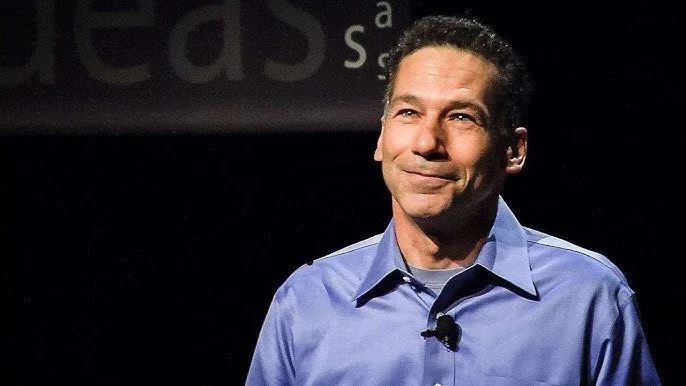
The walk from "no" to "yes" | William Ury

Fair Way Kotahitanga Webinar 7 - Preparation for Mediation

Framing and Reframing in Negotiation | Bernie Mayer
Recommended Books

Mediation: Skills and Strategies 1st Edition | L. Boulle, V. Goldblatt, P. Green
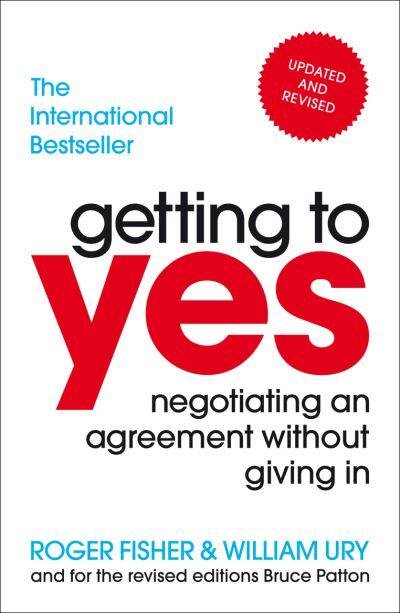
Getting to Yes | R. Fisher and W. Ury
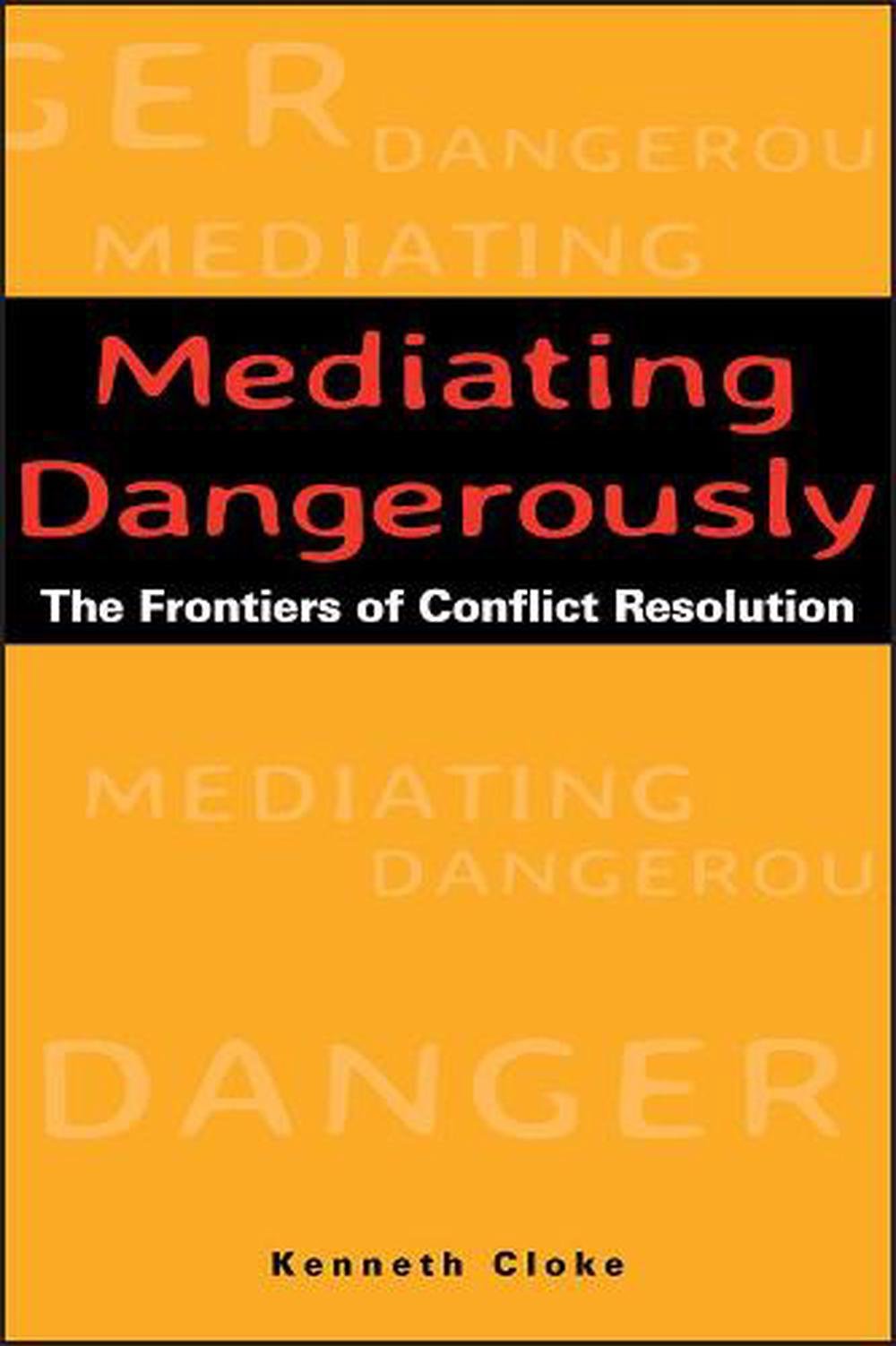
Mediating Dangerously: The Frontiers of Conflict Resolution | K. Cloke

Dignity | D. Hicks

Nonviolent Communication:A Language of Life | D. Chopra and M. Rosenberg
Further Readings and Educational Resources
-
Emotional Agility - Susan David
1001 Solution Focused Questions - Fredrike Bannink
Mediating Dangerously - Kenneth Cloke.
Bringing Peace into the Room - Bowling and Hoffman
Brene Brown – The Gifts of Imperfection
The Art of Thinking Clearly - Rolf Dobelli
Its all Your Fault - High Conflict Personality – Bill Eddy
Reflective Practice in Conflict Resolution – Michael Lang
What Happened to You – Oprah Winfrey and Bruce Perry – The trauma brain
The Anxious Generation – Jonathan Haidt
Talking to Strangers – Malcolm Gladwell
Dopamine Nation – Dr Anna Lembke
Thinking Fast and Slow Daniel Kahneman
Resilient Grieving – Dr Lucy Hone
-
R.A.I.N: A Four-Step Process for Using Mindfulness in Difficult Times – Melli O’Brien, Educator and Coach
Restorative Justice in the Workplace Fosters a Caring Work Environment – Dr Robyn Short, CEO of Workplace Peace Institute
Is Med/Arb an Oxymoron? – Royden Hindle
Mediation, New Zealand Law Review Journal 2021– Nina Khouri
Unitarism, Pluralism, Radicalism … and the Rest?– Conor Cradden
3 Common Myths of Coaching (and what’s true instead) – Suzi McAlpine
The Last Gap in Negotiations. Why is it Important? – John Wade
Crying in Conflict – Samantha Hardy
-
Ellis v R [2022] NZSC 114 – Judgement
Te Aka Matua o te Ture | Law Commission has produced a detailed Study Paper that examines tikanga Māori and its place in Aotearoa New Zealand’s legal landscape.
This report is referenced in the Tikanga in Mediation presentation with Baden Vertongen.